
Support
Introducing Our Emotional Support Animal Service
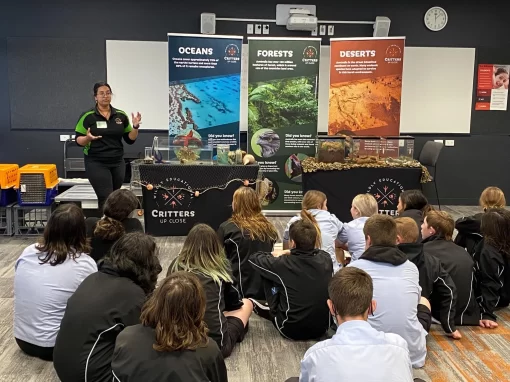
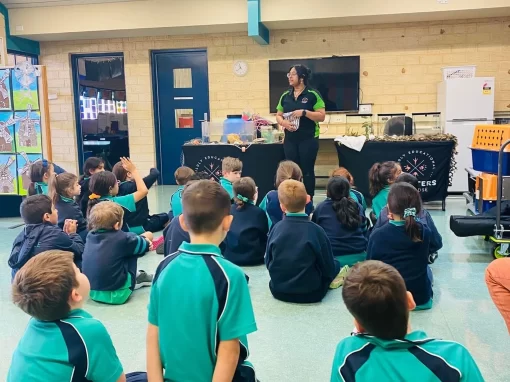
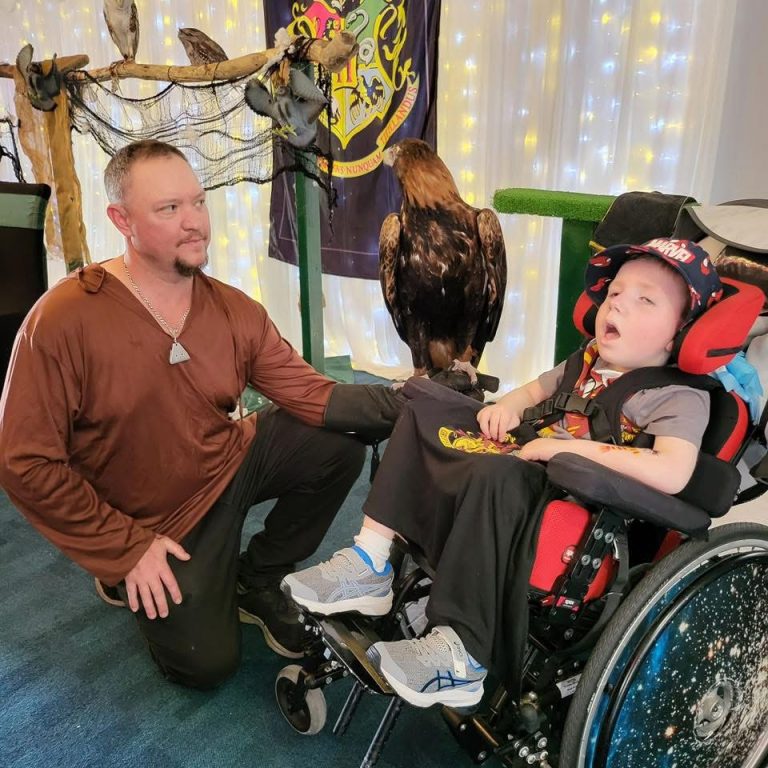
Critters Up Close offers a compassionate and structured service designed to help participants explore the role of an emotional support animal option within their wellbeing goals. Our program supports individuals, small groups or NDIS who may benefit from calm, therapeutic animal interactions, particularly those experiencing stress, trauma, anxiety or cognitive decline. Guided by qualified specialists, we provide practical information, personalised guidance and clear support pathways to help participants understand whether a support animal could complement their needs.



What’s Included in the Support Offering
Our service includes education, guidance and support for participants wishing to explore the possibility of a support animal. We offer personalised consultations and work with health professionals. We also provide information about animal behaviour, training expectations, welfare considerations and ongoing care.
While we do not directly provide or train assistance animals, we ensure participants fully understand the requirements, responsibilities and distinctions between emotional support animals and recognised assistance animals’ guidelines.
Why This Service Matters for NDIS Participants
Many individuals seeking an emotional support animal NDIS option are unsure where to start or what the NDIS can fund. Our service bridges that gap by offering practical, person‑centred support to help participants make informed decisions. Understanding the NDIS process is essential, and we ensure that participants and support teams know what is required, what is realistic and how a NDIS support animal may assist in daily life. By providing clear steps, compassionate guidance and structured information, we help reduce confusion and support participants in identifying the best emotional, behavioural or therapeutic pathways for their goals.
Frequently Asked Questions
- Can the NDIS fund an emotional support animal?
Emotional support animals are generally not funded because they do not perform trained disability‑specific tasks. However, learning how they differ from assistance animals’ forms part of our guidance.
- What is the difference between an emotional support animal and an assistance animal?An assistance animal must be trained to complete defined tasks linked to a person’s disability. An emotional support animal provides comfort but is not task‑trained.
- Does this service help with NDIS documentation?Yes. We assist participants in preparing information for planners and allied health professionals to ensure clarity and accuracy.
- Can you help determine if an assistance animal is appropriate?We help participants explore suitability, responsibilities and requirements before they pursue further assessment with qualified practitioners.
- Do you provide animals directly?No. We provide education, guidance and support but do not supply or train animals.
- Who is this service best suited for?Participants experiencing emotional or cognitive challenges, families seeking clarity on animal‑based supports and support coordinators needing structured guidance all benefit from this service.
Contact Us
Critters Up Close
admin@crittersupclose.com.au
0407 000 012